Country selector

Corporate

Country Selector: Corporate
Integrated communication and collaboration solutions for enhanced safety and efficiency
Every single second, Ascom systems generate 1.3 million data points. We are here to turn these into useful and actionable information for people in the toughest operational environments – and assist them to make the best possible decisions.
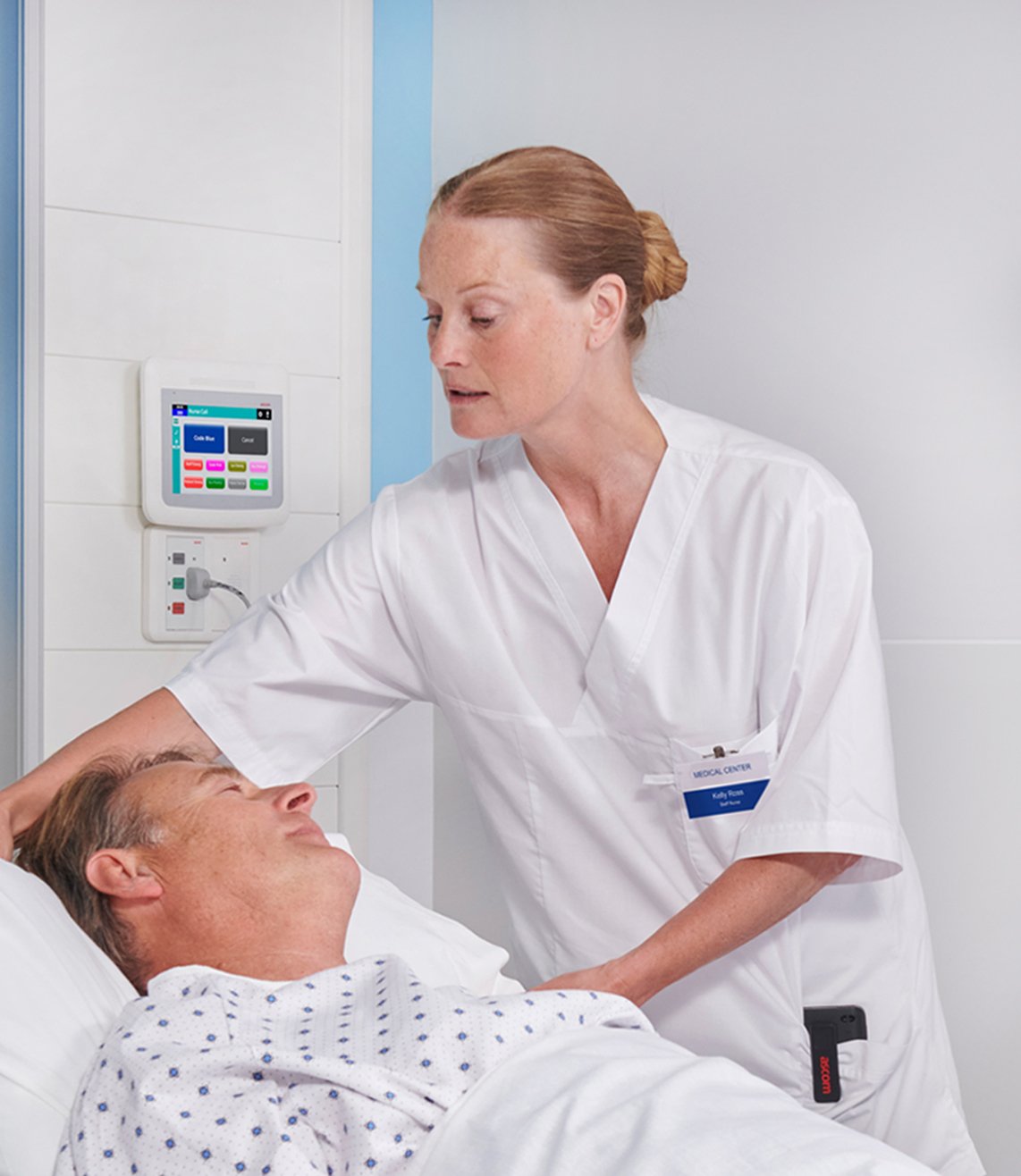
With solutions for Clinical Surveillance, Rapid response, Alarm Management, Smart Nurse call systems, Mobile Devices, Staff Safety and Activity monitoring – we make a difference every day, helping people care for others and keeping them safe.

The world’s first Silent ICU has opened at St Andrew’s War Memorial Hospital in Brisbane, Australia. Developed by the Critical Care Research Group, the project was delivered in collaboration with Ascom and Dräger. As Gianluca Testasecca puts it: “The Silent ICU challenges us to think differently about what the ICU should sound like.”
We’re incredibly proud to be part of this ambitious and visionary project. Discover the full story, written by the CCRG and St Andrew’s War Memorial Hospital.

Every day, organizations invest in technologies that improve communication, lone-worker safety, and operational efficiency. Yet when incidents occur, technology is only part of the answer. Human performance, culture, trust, and leadership shape the conditions under which teams respond effectively.
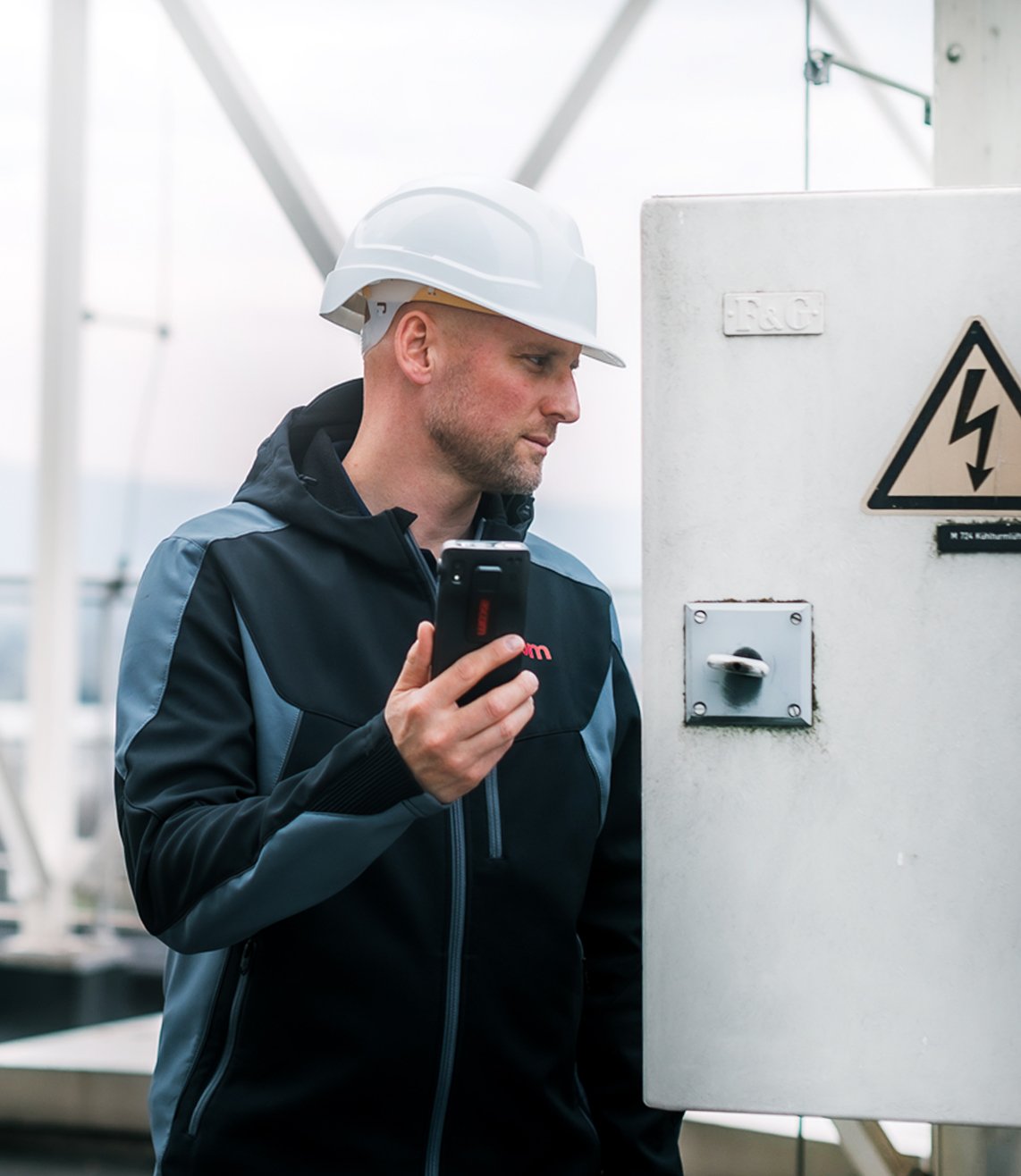
Mobility isn’t just about movement—it’s about confidence in every step. From industrial, manufacturing, and pharmaceutical companies, to retail, hospitality, and high-secure establishments, Ascom’s professional devices are built to keep enterprise teams connected, responsive, and informed—no matter where the job takes them.

Sheffield Teaching Hospitals NHS Foundation Trust is one of the UK’s biggest providers of integrated hospital and community-based healthcare, offering a comprehensive range of local and tertiary services. Within the organization, the Neonatal Intensive Care Unit (NICU) plays a critical role in caring for the most vulnerable patients—newborns requiring advanced medical support due to prematurity, congenital conditions, or severe illness.
As healthcare digitalizes, managing both clinical and personal alarms is key to ensuring safety, prompt responses, and high-quality care. The experience of the Frosinone Local Health Authority in Italy demonstrates how a structured approach can be adopted to coordinate the management of patient safety events and incidents related to the protection of healthcare staff.