Country selector

Corporate


Country Selector: Corporate
CHC MontLégia serves as the main hospital for Liège, Belgium, with 720 conventional beds and an additional 120 day beds. CHC MontLégia operates a 48 bed ICU divided into two 24 bed units; this evidence collection focuses on adult ICU unit 310. The unit is organized into two 12 bed areas, each with its own central nursing station.
The ICU at CHC MontLégia, faces a common issue of excessive noise. This noise is created by several factors including medical devices (monitors, pumps, ventilators), staff activity, and other incoming alerts such as telephone calls. Patients and nurses are negatively affected by this noisy environment, which exceeds the World Health Organization (WHO) recommended noise levels for hospitals (35 dB(A) during the day and 30 dB(A) at night, but actual levels are much higher).
For nurses, persistent noise levels lead to increased stress, headaches, irritability, and difficulty concentrating, which can compromise the quality of care and overall well-being.
A major contributing factor is the number of alarms generated by medical devices that nurses are expected to act upon. Many of the medical alarms are non-actionable or false alerts that do not require immediate intervention. Over time, this relentless stream of alarms can desensitize staff, causing them to respond more slowly or even miss critical alerts, which poses a risk to patient safety. This phenomenon is known as alarm fatigue.
Alarm fatigue not only increases stress and cognitive overload for healthcare professionals but also perpetuates the noisy environment, as alarms continue to sound without prompt.

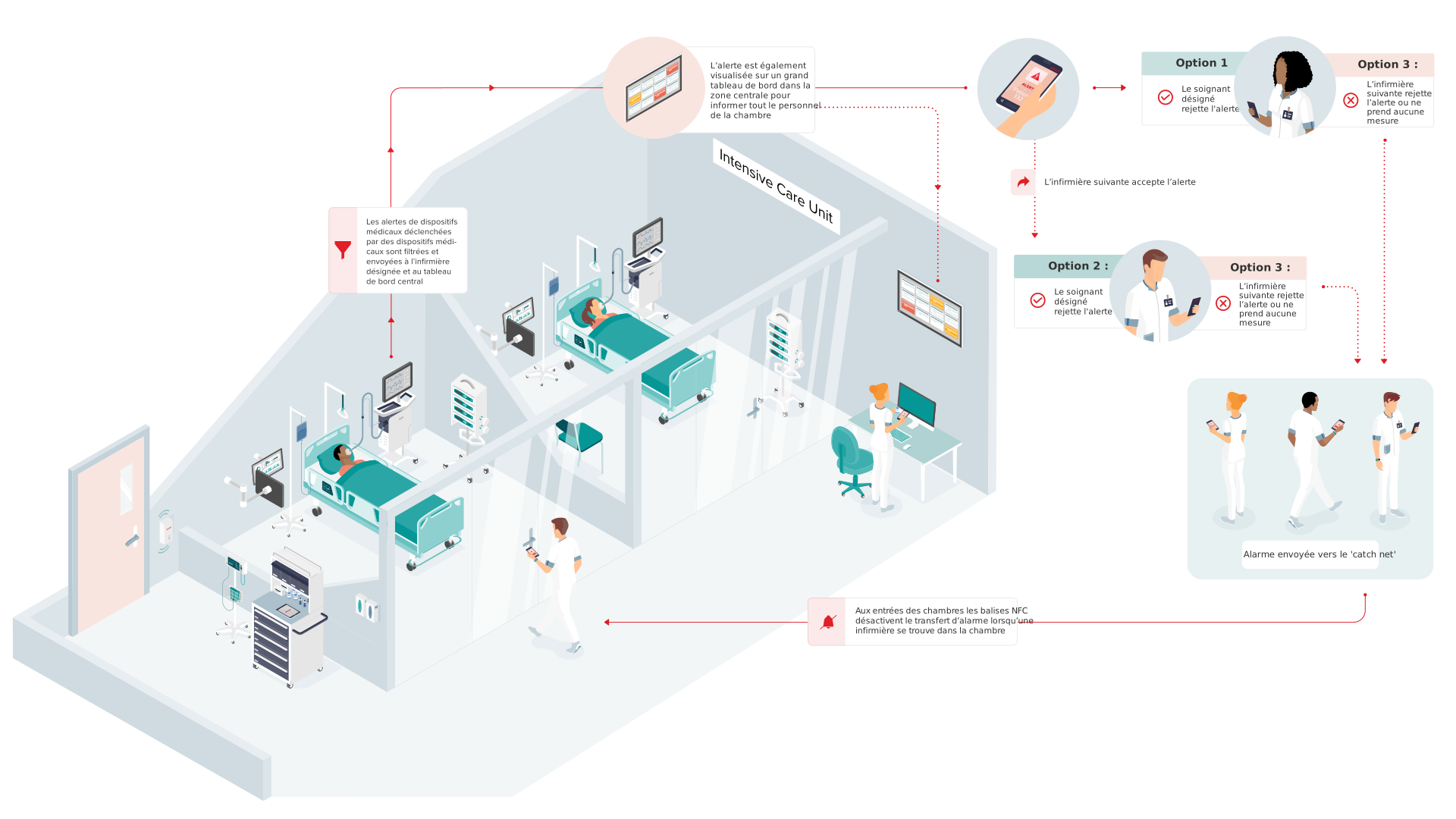
Smart alarm filtering: Alarms from medical devices are filtered based on agreed clinical rules so nurses only receive relevant alerts on their Myco smartphones.
Reduced false alarms: A 5‑second delay blocks short artefact alarms (common in pulse oximetry) from reaching nurses.
Clear alarm workflow: Nurses can accept or refuse alarms; unacknowledged alarms escalate automatically to ensure response.
Simplified setup & fewer disruptions: Fixed room‑to‑device mapping and NFC tags that pause alarms when a nurse enters a room reduce workload and unnecessary notifications.
Quieter and better-managed environment: Myco 4 uses a vibration/light instead of sound, with dashboards for monitoring; successful adoption required a structured change‑management program, not just technology.

Noise levels decreased, dropping from an average of 48.04 dB to 44.21 dB (p=0.02).

Filtering alarms, reducing non‑actionable notifications and sending only relevant alerts to nurses.

62% saw reduced noise/fatigue, 40% perceived fewer alarm peaks, 21% noted better responsiveness, and 18% felt the environment was safer and quieter.
Many hospitals across the globe are struggling with the challenge of noise in the intensive care environment whilst industry formulates technology to eliminate alarms at the patient bedside healthcare providers look for ways and methods to mitigate noise today.
As Clinical Alarm Management continues to be developed towards silent medical alarming and smart alarm filtering, Ascom works in partnership with intensive care unites and medical device suppliers to mitigate noise and lay a foundation for the “Silent ICU”.
Interested in learning more about the Clinical Alarm Management solution from Ascom? - Contact us here
